
 CS2
CS2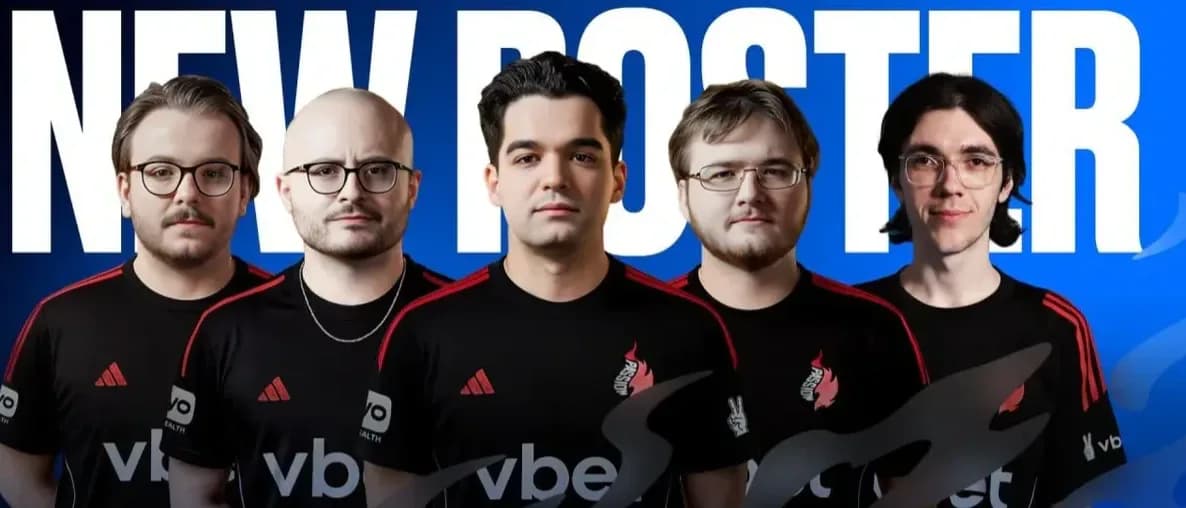
The future of Ukrainian esports organization Passion UA has been thrown into serious doubt after reports emerged that the company could be facing between $500,000 and $600,000 in outstanding obligations to its former Counter-Strike 2 players.
The reported debt is believed to include unpaid salaries, bonuses and other player-related payments, with a substantial portion allegedly connected to revenue from the StarLadder Budapest Major 2025.
Passion UA has not publicly released a detailed financial breakdown confirming the reported figure. The allegations were first detailed by HLTV after the outlet spoke with several people familiar with the organization's internal situation. Valve was also contacted for comment but, according to the report, did not respond.
The situation has become one of the more dramatic stories in the 2026 Counter-Strike offseason, particularly because Passion UA had only recently established itself as an ambitious international organization with Major-level aspirations.
From Ukrainian esports project to international Counter-Strike
Passion UA was founded in 2023 and quickly became one of the most recognizable Ukrainian esports organizations.
The project was closely associated with footballer Oleksandr Zinchenko, whose name gave the organization considerable visibility outside the traditional esports audience. Passion UA initially focused heavily on Ukrainian talent and eventually achieved one of its biggest competitive milestones by qualifying for the Perfect World Shanghai Major 2024.
That roster made history as the first all-Ukrainian lineup to reach a Counter-Strike Major. Passion UA's own history page highlights the Shanghai Major qualification as one of the organization's defining achievements.
The project later attempted to move to the next level.
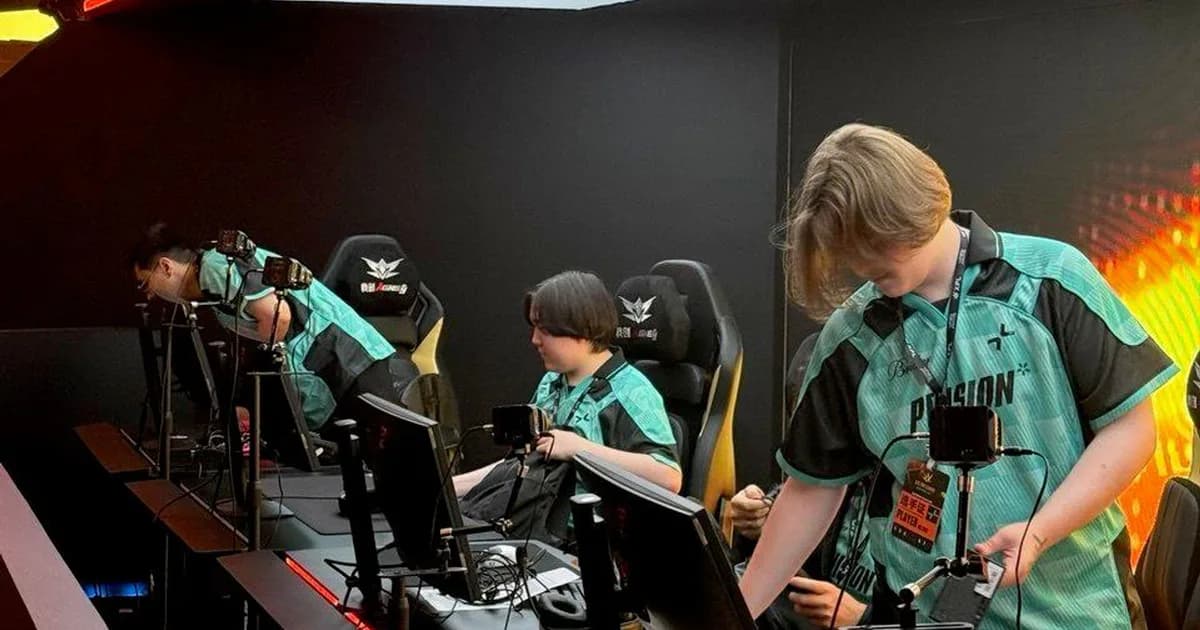
In 2025, Passion UA moved away from its predominantly Ukrainian identity and acquired the core of Complexity's roster. Johnny "JT" Theodosiou, Håkon "hallzerk" Fjærli, Michael "Grim" Wince and Nick "nicx" Lee became part of the organization's international lineup.
The move represented a significant increase in ambition — but also in the costs associated with operating a professional Counter-Strike team.
The Budapest Major became a turning point
Passion UA's biggest recent success came at the StarLadder Budapest Major 2025.
The team reached the third stage of the tournament and ultimately finished among the event's top 16 teams. Passion UA's official website lists the Budapest Major as one of the organization's major achievements, while tournament records place the team in the 9th–16th range.
A successful Major appearance can be particularly valuable for organizations because of the revenue generated by team-related digital items.
According to people familiar with Passion UA's situation, the organization generated approximately $618,000 from Budapest Major digital items.
However, former players and staff reportedly say they did not receive the money they were expecting from the organization's share.
This is where the financial controversy becomes particularly complicated.
The reported $618,000 represents estimated revenue associated with the Major's digital items. The separate $500,000–$600,000 figure represents the alleged outstanding debt to the former Counter-Strike team.
Those figures should not be treated as the same amount, nor as an independently audited accounting of Passion UA's finances.
Why are players reportedly still waiting for money?
According to the people interviewed for the original report, players began raising questions about the organization's share of the Budapest Major revenue months after the tournament.
The explanation reportedly given internally was that Passion UA had not yet received the relevant payment from Valve.
The organization allegedly linked the delay to financial and banking arrangements, including plans connected to moving operations from the United Kingdom to Dubai.
Valve has not publicly confirmed that it withheld or delayed Passion UA's payment. That distinction is important: there is currently no public evidence establishing that Valve was responsible for the reported unpaid player money.
The unresolved payment issue eventually became part of a much wider financial dispute surrounding the organization.
Signs of financial pressure appeared elsewhere
The reported problems apparently extended beyond Major revenue.
People familiar with the team's operations described difficulties involving travel and accommodation, including situations where hotels were reportedly not paid in advance and flights were arranged at short notice.
There were also complications surrounding player transfers.
One of the most notable cases involved Michael "Grim" Wince. After Grim eventually moved to NRG, Complexity reportedly remained involved because it had not received the full amount owed from Passion UA's earlier acquisition of its players.
According to the reporting, Passion UA paid part of the outstanding amount, while NRG paid the remainder directly to Complexity and deducted that amount from Grim's transfer fee.
Another attempted transfer involving Argentine player Santino "try" Rigal reportedly also ran into financial difficulties. The planned move from Imperial was cancelled after Passion UA allegedly failed to complete the terms of the agreement.
These incidents are significant because they suggest that the reported financial problems were not limited to one disputed payment.
Passion UA eventually released its roster and staff
By 2026, the organization was already showing signs of instability.
In May, reports emerged that Passion UA was open to offers for its players after what was described as a disappointing season.
The organization subsequently released its Counter-Strike roster and dismissed its staff as the situation deteriorated.
HLTV currently lists Passion UA as having no active Counter-Strike lineup and no upcoming matches, effectively confirming that the organization is no longer operating a competitive CS2 roster.
Several former employees have also reportedly begun looking for new positions.
The organization has become increasingly quiet publicly, further fueling speculation about its future.
Zinchenko's departure added another layer to the story
Perhaps the most surprising development came from Oleksandr Zinchenko himself.
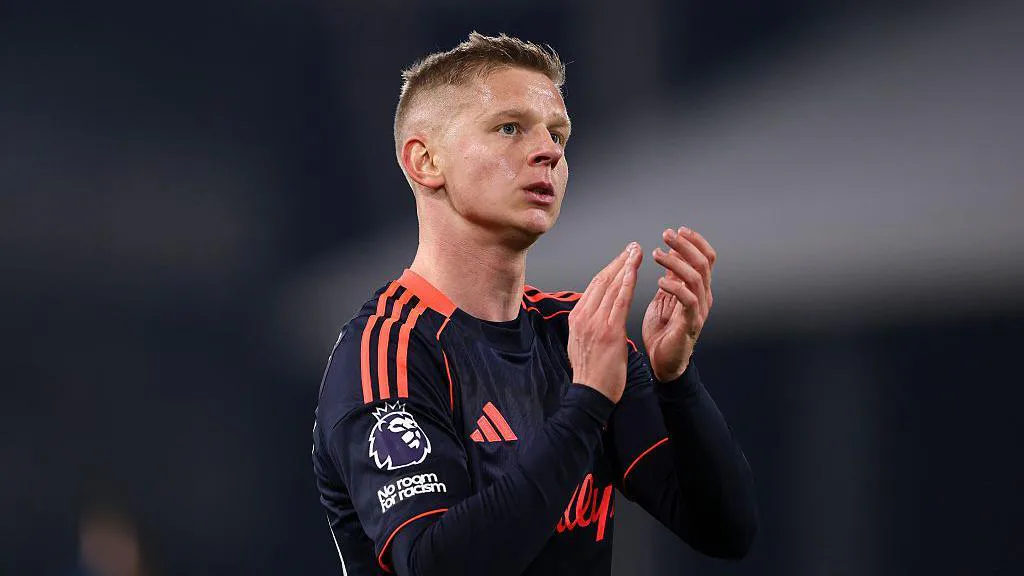
On June 23, Zinchenko announced that he was ending his relationship with Passion UA. He described his role as a media partner rather than someone responsible for the organization's financial management.
That statement raised questions because Zinchenko had long been publicly associated with Passion UA and had previously been presented as one of the central figures behind the organization.
Corporate filings subsequently provided additional context.
A UK Companies House filing reported in June showed that Zinchenko had ceased to have significant control over Passion UA in May 2025, while CEO Artemijs Rjabovs was listed as holding 75% or more of the company.
Zinchenko has disputed the way his relationship with the company was represented publicly, saying that descriptions of him as an owner did not reflect his actual legal position.
This means the ownership story is itself complicated, and it would be inaccurate to simply describe the current financial problems as being the responsibility of Zinchenko.
What is actually confirmed?
With so many claims circulating, it is worth separating established information from allegations.
Confirmed:
Passion UA has no active CS2 roster listed at present.
The organization competed at the StarLadder Budapest Major 2025.
Oleksandr Zinchenko ended his partnership with Passion UA in June 2026.
UK corporate filings show a change in significant control involving Zinchenko and Artemijs Rjabovs.
Reports have emerged alleging hundreds of thousands of dollars in outstanding payments.
Not independently established:
That Passion UA definitely owes exactly $500,000–$600,000.
That Valve withheld the organization's Budapest Major revenue.
That the company has already entered liquidation.
That all reported unpaid money comes from Major sticker revenue.
Several sources expect Passion UA could enter liquidation, but an expectation of liquidation is not the same thing as a confirmed liquidation filing.
Our Take: What went wrong at Passion UA?
The most disappointing part of the Passion UA story is that the organization appeared to have a genuine opportunity to become a major force in Ukrainian esports.
It had a recognizable founder, a strong national identity, a Major qualification and a growing international presence. The decision to build around an experienced international roster showed that the organization wanted to compete at the highest level rather than remain a small regional project.
But ambition alone is not enough in esports.
Moving from a promising Ukrainian lineup to an international roster significantly changes the economics of running a team. Player salaries, transfer fees, coaching staff, travel, accommodation and operational costs can quickly add up. Major revenue can be substantial, but it is also unpredictable and difficult to build an entire business around.
If the reported figures are accurate, Passion UA's biggest problem may not have been a lack of revenue — but rather a lack of sustainable financial management around that revenue.
The alleged Budapest Major payment dispute is particularly important. If an organization really generated hundreds of thousands of dollars from a Major but still struggled to meet its obligations to players and staff, that raises questions that go far beyond one unpaid invoice.
At the same time, it would be irresponsible to declare exactly what happened without access to the company's complete financial records.
The fairest conclusion at this stage is that Passion UA appears to have suffered a major financial and organizational breakdown, while several important questions remain unanswered.
What happens next?
For now, Passion UA's future remains unclear.
The organization has effectively disappeared from competitive Counter-Strike, its former roster has moved on, and its staff has reportedly been dismissed. Meanwhile, former players and employees are allegedly still waiting for outstanding payments.
The biggest unanswered question is whether Passion UA will attempt to restructure and return to esports or proceed toward liquidation.
Whatever happens next, the organization's story is already a cautionary one for the wider CS2 ecosystem.
Passion UA went from a Ukrainian project with Major ambitions to an international organization competing against some of the biggest teams in Counter-Strike. Its rise demonstrated the potential of esports organizations built around strong local identities and ambitious investment.
Its reported financial troubles now demonstrate the other side of that equation: rapid growth without a sustainable financial foundation can be just as dangerous as failing to grow at all.
Until Passion UA, its management, the former players or Valve provide further documentation, the reported $500,000–$600,000 debt should be treated as an allegation rather than a confirmed financial figure.
What is already clear, however, is that Passion UA's competitive project has collapsed — and the answers about what happened to its money may determine whether the organization has any future at all.